


This Crypto AI & Robotics newsletter consists of the following:
Snippet Partner: Axis Robotics
Stripe + OpenRouter + MPP
Venice: the numbers I’m watching
Simulated Agentic Economies (RuneScape)
What I’m Watching
If you have any questions feel free to reach out to me on X or message my business X account ‘Khala Research’



Axis Robotics returns as Snippet Partner this week with another meaningful step forward for its robotics data stack
Axis has partnered with OpenRoboto, Bittensor Subnet 80, which runs an open competition for continuously improving robotics models

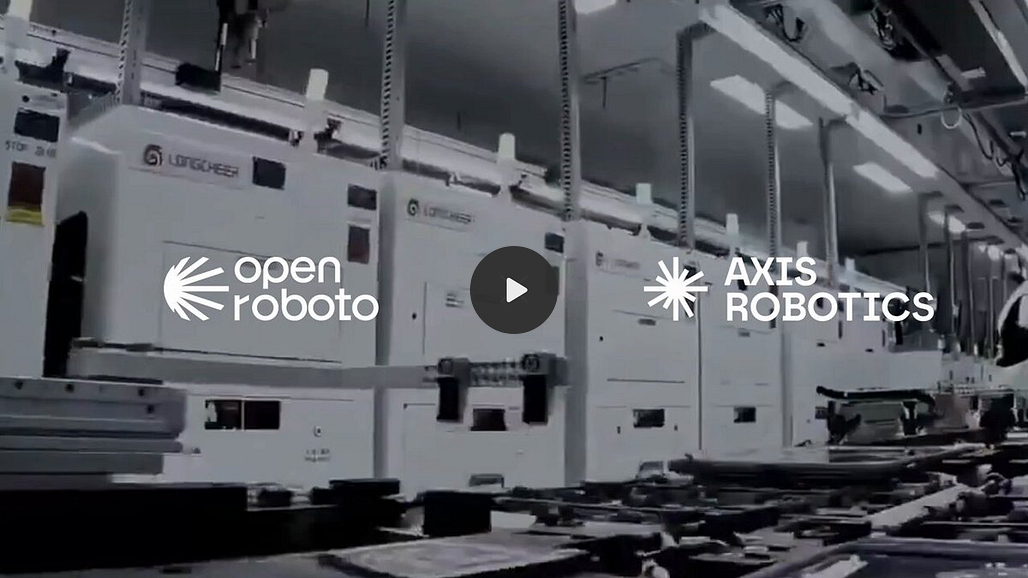
Miners fine-tune a shared base model, submissions are tested across randomised LIBERO-Pro environments and only models that outperform the existing base become the new benchmark
Axis is providing the data layer underneath that process, contributing 3M+ multimodal trajectories into OpenRoboto’s Open Data Pool while also supporting model evaluation through its Data-to-Model Pipeline
The combination is interesting because it closes more of the robotics training loop:
distributed data collection → model training → verifiable evaluation → improved base model
I featured Axis as Snippet Partner recently around its $12m seed raise + Booster partnership. This latest integration pushes the thesis a step further by showing where that data can actually be consumed: directly inside an open market competing to improve physical AI models
This newsletter goes out weekly to 7.2k+ subscribers.
Please don’t hesitate to message me directly for sponsorship or partnership enquiries.

Stripe is Buying the AI Routing Layer
One of the biggest AI developments this week came from Stripe, which has reportedly agreed to acquire OpenRouter for more than $8bn in cash + stock. OpenRouter was valued at $1.3bn as recently as May; so it’s up 6x in a few months from the latest valuation if this deal goes through!
But it’s the strategic rationale that’s more interesting than the headline valuation
OpenRouter sits between applications and AI models, giving developers one API through which they can access and route between hundreds of different models
If Kimi is cheaper for one task, Claude better for another and an open Qwen model works perfectly well for something else, the application doesn’t need to rebuild its stack around each provider:


That position becomes increasingly valuable if the model market continues to fragment, which is exactly what I covered a few weeks ago when open-weight intelligence started to accelerate
More models → more choice → more routing
Stripe now potentially owns a large chunk of that routing layer while already sitting underneath an enormous amount of internet commerce
That combination is particularly relevant because Stripe has simultaneously been building out the payment infrastructure for agents
MPP starts to make more sense
Earlier this year Stripe + Tempo co-authored the ‘Machine Payments Protocol’ (MPP), an open protocol that lets an agent pay for an API or service programmatically without going through a traditional checkout flow:


The flow is relatively straightforward:
An agent requests a service → receives an HTTP 402 payment request → authorises payment → retries the request → receives the service + receipt
MPP currently supports both traditional card rails + stablecoins, with Stripe supporting stablecoin machine payments down to $0.01 USDC.
Tempo has also introduced MPP “Sessions” for higher frequency use cases, where an agent can make potentially thousands of small offchain payments during a session and settle the final balance using only two onchain transactions… a bit like a bar tab
I think the OpenRouter acquisition makes this direction much clearer
OpenRouter controls a valuable interface between applications and models
Stripe controls payments
MPP gives software a standard way to pay
Tempo provides a blockchain specifically designed to settle those payments
You can therefore start to see how an agent could dynamically select an appropriate model, pay for the inference required, call another paid API and settle everything programmatically without needing a human to create accounts + enter card details throughout the process
This is much closer to the agent economy I’ve been talking about for the last few years than another chatbot with a token attached to it
The Venice Numbers
The Stripe x Openrouter target acquisition has close ties to what Venice is building, & as such I spent some time reviewing Venice’s forward financials this week following the announcement they’d just hit $100m ARR:

There’s a lot to like in the growth forecast, but one number immediately jumped out at me; the benchmark of projected revenue increasing at a lesser rate than the projected burns of the VVV token:


So the value of annual burns rises from roughly 8% of revenue today to around 21% by 2027; that’s a MUCH more aggressive increase than the underlying revenue forecast
The important number I’d therefore want to see isn’t simply revenue, it’s:
Cash revenue − inference COGS − cost of servicing DIEM/subscription entitlements − OPEX = sustainable cash available to buy VVV
Why?
Because Venice has created ongoing service obligations alongside the token economics
$100m of revenue doesn’t mean much to a tokenholder if most of that revenue is subsequently required to provide inference, service existing entitlements + run the business
The buyback ultimately needs to come from the cash left after those obligations; credit to venice in that they are demonstrating an uptrend in buybacks, but they do remain discretionary:
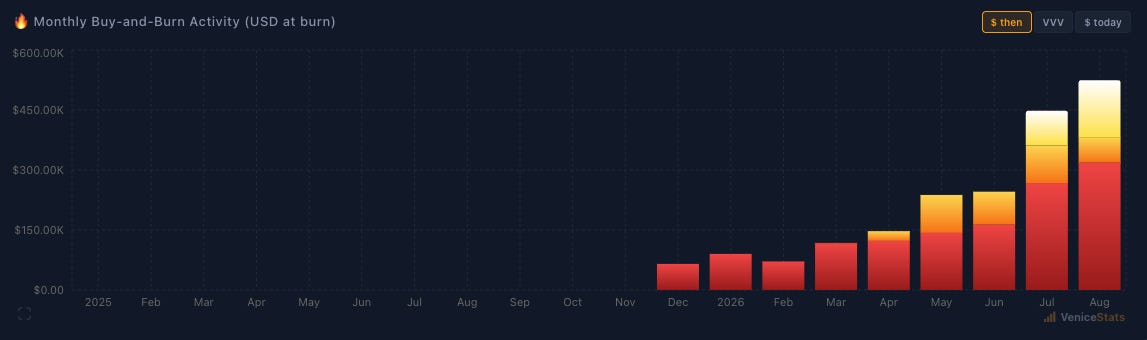
If that number supports anything close to $70m of recurring annual purchases then the bull case becomes VERY compelling
If it doesn’t, I’d be careful valuing VVV off the headline burn forecast; this is increasingly how I’m looking at protocols with buyback mechanics generally
The question then shifts to:
“how much of that revenue can sustainably reach the token after the actual cost of providing the service”
That’s the number worth underwriting + monitoring closely
One Other Thing: Agent Economies
One of the more random things I looked at this week was an agent-only Old School RuneScape server…I’m a RuneScape nerd so naturally this caught my attention:


The interesting bit wasn’t whether the agents were good at RuneScape, but what started happening to the economy once software became responsible for gathering resources + trading them
Resources that agents could repeatedly produce became increasingly abundant, while scarcer items retained more economic significance (runite ore & black dragonhide)
There are obvious limits to using a game economy as a proxy for the real world, but the direction is worth thinking about
If AI materially reduces the cost of producing certain digital goods + services then value should migrate towards the inputs that remain scarce:
Compute
Energy
Proprietary data
Capital
Distribution
Physical resources
Ownership of productive assets
It’s one reason I continue to spend so much time looking at the intersection of crypto + AI rather than AI agents in isolation
Crypto gives software direct access to capital + scarce assets
MPP/x402 now gives those same agents increasingly native ways to spend
blockchains give them access to financial assets, including tokenized stocks, bonds and other financial instruments
Bittensor (+ other less established intelligence netowkrs) coordinates markets for digital commodities
That’s a much more useful direction than where the “AI agent” narrative started in late 2024 - There’s still a lot of rubbish to filter through, but the underlying infrastructure is becoming materially better
What I’m Watching
The main things I’ll be watching over the next week:
OpenRouter: what Stripe actually does with it once the acquisition closes, particularly around MPP (inc x402) + agentic payments
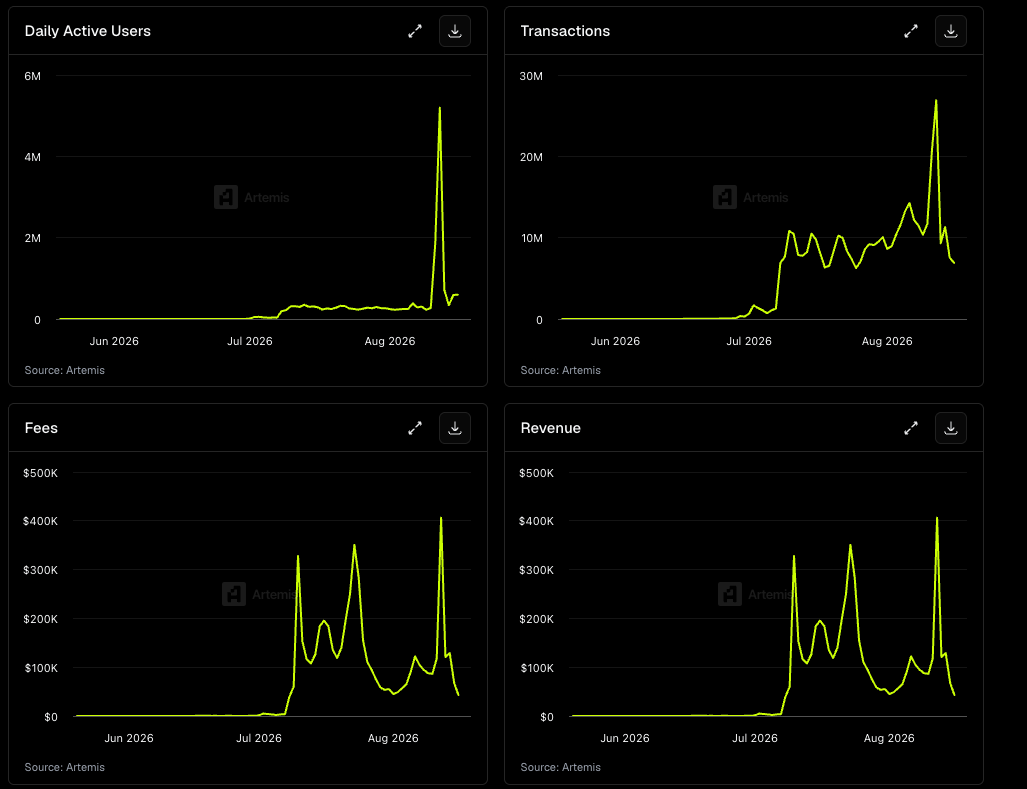
Robinhood Chain: whether all this experimentation starts translating into sticky TVL, fees + stock-token utilisation… the past week has seen a drop off in activity:
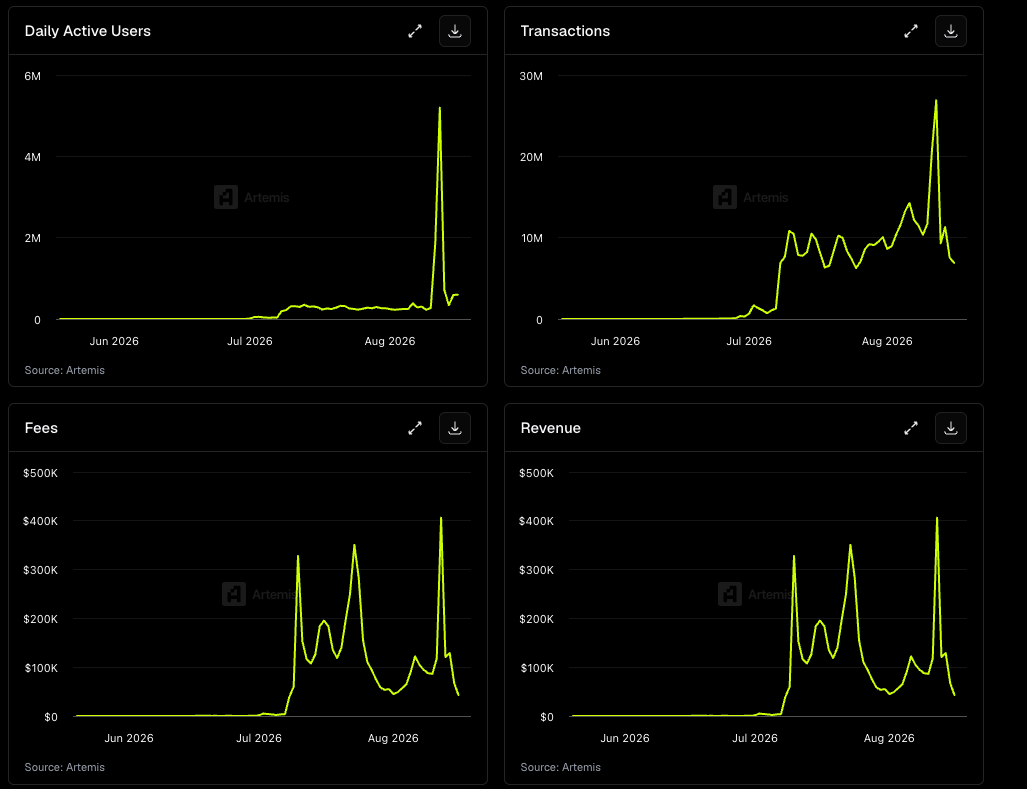
Source: Artemis …my bet is that there’s A LOT more to come:


Venice: more clarity around the bridge between forecast revenue and the actual sustainable cash available for VVV purchases
… and finally for those that have read to the end, check TAO subnet 25 (UR network) going live on Bittensor tomorrow with an already deep user base outside of crypto. The metric to watch closely for UR SN25: how quickly existing UR supply + demand translates into actual subnet activity after launch
That’s a wrap for this issue of Sammy’s Snippets. I hope you enjoyed it.
Please leave me any questions or thoughts here - I will respond to everyone!
If you found this interesting, please consider subscribing to this Substack and following me on X for more related insights.
If you are interested in more formal reporting on Crypto AI and Robotics then Khala is my research product.
Disclaimer: The content of this newsletter is for informational purposes only. Nothing in this newsletter constitutes financial advice or a recommendation to buy or sell any asset. Always do your own research before making any investment decisions.
I hold positions in many of the assets discussed in this newsletter. Valuations are approximate snapshots and move quickly. Verify all market data independently before acting.
Follow me on X | Khala Research